|
Blog
The Importance of Team Sports for Children
22 Apr 2025
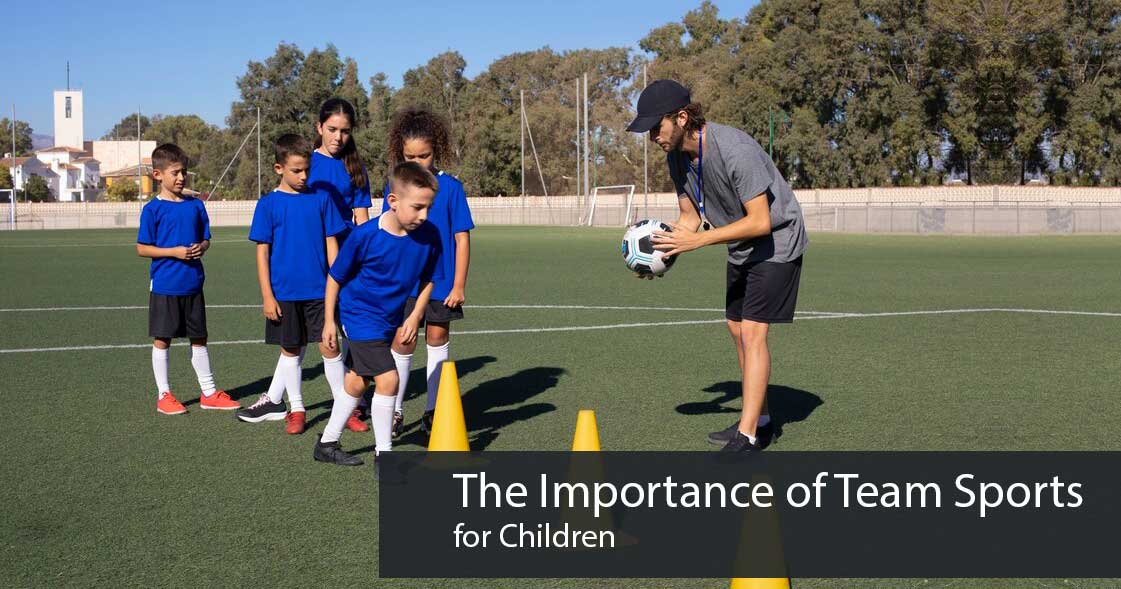
Team sports are more than just games, they're life lessons in motion. Whether it’s soccer, basketball, baseball, or volleyball, playing on a team teaches kids lessons far beyond the field. They learn how to communicate, handle pressure, build confidence, and work with others.
Today, screens often replace face-to-face interaction, while youth sports bring back real-world connections, helping children grow not just physically but socially too. Sports create opportunities for kids to interact, collaborate, and develop critical social skills.
Participation in sports develops three essential traits: confidence and character along with teamwork abilities. Physical activities and friendly competition enable kids to build new skills while developing their self-confidence and resilience. This article focuses on understanding the benefits of sports for children and young adolescents.
Physical Fitness and Health
Engaging in physical activity plays a crucial role in maintaining overall health. The World Health Organisation recommends that children and adolescents participate in youth sports for at least 60 minutes of moderate-to-vigorous daily physical activity.
Research published in the Journal of Paediatrics indicates that children involved in team sports are likelier to develop higher physical fitness levels, reducing the risk of obesity and related health issues.
Social Skills and Communication
Participation in team sports helps children develop essential social skills, including cooperation, team spirit, and effective communication. Studies from the International Journal of Sports Science & Coaching suggest that team sports enhance social interactions and interpersonal communication, strengthening relationships both on and off the field.
Team members use both verbal and nonverbal signals to communicate on the field to discuss strategies, such as tapping hockey sticks to indicate the end of a penalty. The fundamental abilities for building team spirit consist of listening carefully and expressing the thoughts for better comprehension of the teammates.
Leadership Skills
Team sports provide opportunities for children to develop leadership abilities. Whether appointed as captains or given responsibilities like leading warm-ups, young athletes learn to listen to teammates, maintain focus, and take responsibility for their actions.
Leadership experiences also contribute to increased self-confidence and self-esteem, which can pertain to some of the key benefits of sports. Additionally, observing coaches and their leadership styles allows children to internalise valuable lessons in direction and guidance.
Critical Thinking Skills and Character Building
Problem-solving, strategising, and analysing situations are critical thinking skills honed through youth sports. While playing, athletes learn to understand opponent capabilities and change their tactics to address changing weather conditions for scoring success.
One of the prominent benefits of sports is character development, which is achieved by instilling values such as kindness, humility, empathy, responsibility, respect, accountability, and patience. With support from coaches, family, and teammates, young athletes learn the importance of team spirit, punctuality, active listening, sportsmanship, and personal accountability.
Goal Setting and Perseverance
In team sports athletes learn about goal-setting processes which apply at individual as well as team-based levels. Athletes at a young age develop perseverance and determination when they aim to score a goal or win a championship.
Research published in the Journal of Applied Sport Psychology shows that young athletes who set and chase targets tend to overcome obstacles and failures in their athletic careers. Youth athletes develop resilience and improved motivation alongside growth-oriented thinking due to participation in sports activities.
Stress Reduction and Mental Health
Participating in team activities offers mental benefits of sports by reducing stress and anxiety. Physical activity triggers the release of endorphins, improving mood and overall well-being. The mental benefits of sports can also contribute to better sleep quality, which is essential for mental well-being.
The Aspen Institute’s Project Play findings indicate that sports help children manage stress effectively. Additionally, a survey by the American Psychological Association revealed that 80% of adults believe sports participation contributes to stress management.
Final Thoughts
Team sports play a vital role in shaping children's physical, social, and emotional development. Beyond enhancing physical fitness, they foster essential life skills such as teamwork, communication, leadership, and perseverance.
Engaging in sports helps young athletes build confidence, and cultivate a growth mindset in children. Additionally, the mental health benefits of sports, including stress reduction and improved well-being, further highlight their importance in a child’s overall growth.
|

 Print
Print