|
Blog
How to Deal With Back to School Anxiety
22 June 2026
Table of Contents:
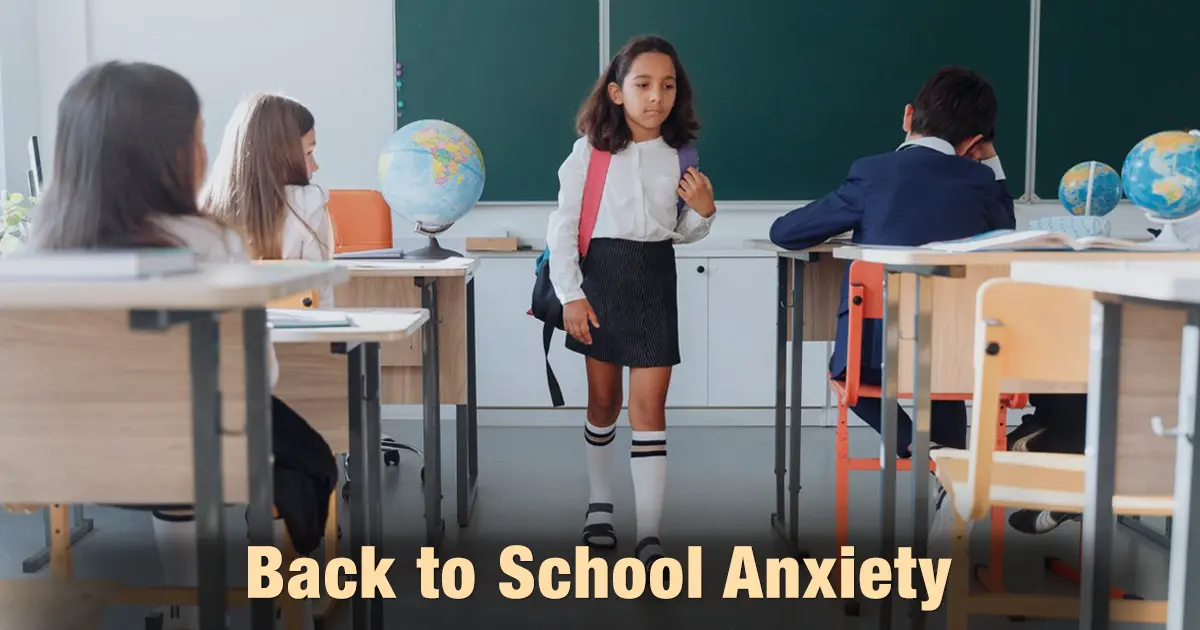
The first morning of a new school year rarely goes smoothly for every family. While some children experience excitement, others face tears, sudden stomach-aches, or a flat refusal to get out of bed. If this sounds familiar, parents are not alone.
Back to school anxiety is a shared experience for many Indian children, whether they are stepping into Class 4 or managing the intense pressures of Class 12. Although the challenges look different at each academic stage, the underlying emotional weight remains just as real. This guide helps parents understand the root causes of these struggles and provides actionable strategies to support their children.
What is School Anxiety?
Experiencing nervousness about school is a genuine emotional response to stressors like a new classroom, an unfamiliar teacher, or the transition back from a long break.
Some anxiety at the start of a term is completely expected. The concern arises when these feelings do not settle, grow more intense, or begin affecting sleep, appetite, and attendance. At that point, it may be a sign of an anxiety disorder, which requires targeted understanding and structural support rather than standard reassurance.
Common Triggers in Indian Schools
School anxiety rarely stems from a single source. Instead, it is usually triggered by specific academic and social shifts that align with different developmental stages.
| Trigger |
Common in Which Grades |
| Separation from parents |
Classes 4 to 6 |
| New school, new classroom, or teacher changes |
Any transition year |
| Re-entry after a long holiday or illness |
Any grade |
| Bullying or social media and peer comparison |
Classes 6 to 10 |
| Social worry and fitting in |
Classes 6 to 10 |
| Examination pressure before board years |
Classes 7 and 8 |
| Academic pressure and fear of grades |
Classes 9 to 12 |
For younger children transitioning into early school years, these triggers often manifest as separation anxiety disorder, which is one of the most common causes of school refusal. Children with this disorder experience real, intense distress when away from their primary caregiver, well beyond the typical nervousness expected for their age group.
Signs Parents Should Watch for
Children rarely articulate their anxiety directly, making it essential to recognize how emotional distress manifests physically and behaviourally.
- Stomach-aches or headaches that appear primarily on school mornings
- Trouble sleeping the night before school
- Crying, clinging, or tantrums before the school transport arrives
- Repeated excuses or negotiations to stay home
- Withdrawal from friends or activities they previously enjoyed
- A persistent low mood that remains noticeable even on weekends
When multiple signs present together and persist over a prolonged period, it typically indicates that the situation requires a more structured intervention beyond general reassurance.
What Parents Can Do
Re-establish routine early
At least a week before school reopens, gradually reintroduce the school schedule, including wake-up times, mealtimes, and bedtime. This helps ease the transition into the first day back.
Prepare in Advance
Talk through what the new term will look like. Visiting the school before it reopens, where possible, can be highly beneficial. Organising school supplies, notebooks, stationery and other materials together as a shared activity helps transform a potential stressor into a manageable and positive experience.
Listen Before Reassuring
When a child says they do not want to go, acknowledge the feeling first. Saying "It sounds like this is really bothering you" before moving to reassurance signals that their worry is being taken seriously.
Keep Drop-off Calm and Brief
A predictable, calm goodbye followed by leaving promptly works better than prolonged farewells. Long goodbyes may unintentionally increase a child's distress rather than reducing it.
When to Seek Professional Help
If a child consistently refuses to attend school, exhibits severe distress daily, or does not show improvement despite parental support, consulting a mental health professional, such as a school counsellor or child psychologist, is a recommended next step. These professionals can evaluate the situation to see if structured intervention is necessary.
While the availability of resources varies across regions, an increasing number of schools across boards like CBSE and ICSE now have trained counsellors on campus. Accessing these school-based resources early can help families address challenges before they become deeply ingrained.
Conclusion
Back to school anxiety is real, and it is more common than many parents realise. With consistent support, early attention, and stable routines, most children do find their footing and adapt successfully. Recognising the signs early and seeking help from a professional when needed can make the academic year significantly easier for the whole family.
Applications for the upcoming academic year open shortly. Families interested in learning about the curriculum and school environment are invited to visit the JHS website for admission details.
FAQs
Q1. What is the 3-3-3 rule for anxiety for kids?
A1. The 3-3-3 rule is a grounding technique where a child names three things they can see, three sounds they can hear, and three body parts they can move. It helps redirect attention away from anxious thoughts and back to the present moment. For children with a persistent anxiety disorder, it works best alongside guidance from a mental health professional.
Q2. What age does anxiety peak?
A2. Anxiety in children often becomes more noticeable between ages 6 and 13, with another increase during adolescence. In Indian schools, it tends to spike during transition years such as Classes 6 to 7 and again during Classes 10 and 12. Separation anxiety disorder is more common in younger children, while social and performance anxiety rise in older students.
Q3. How to survive school with anxiety?
A3. Having a predictable daily routine helps significantly. Students should identify one trusted adult at school they can approach when things feel overwhelming. Getting school supplies and materials organised beforehand also builds a sense of readiness. If anxiety is affecting attendance regularly, involving a mental health professional early makes a real difference.
Q4. How long does school anxiety last?
A4. For most children, back to school anxiety eases within two to four weeks as routines settle. If it persists beyond that or is linked to anxiety, professional support is recommended. Early intervention leads to better outcomes than waiting.
|

 Print
Print