|
Blog
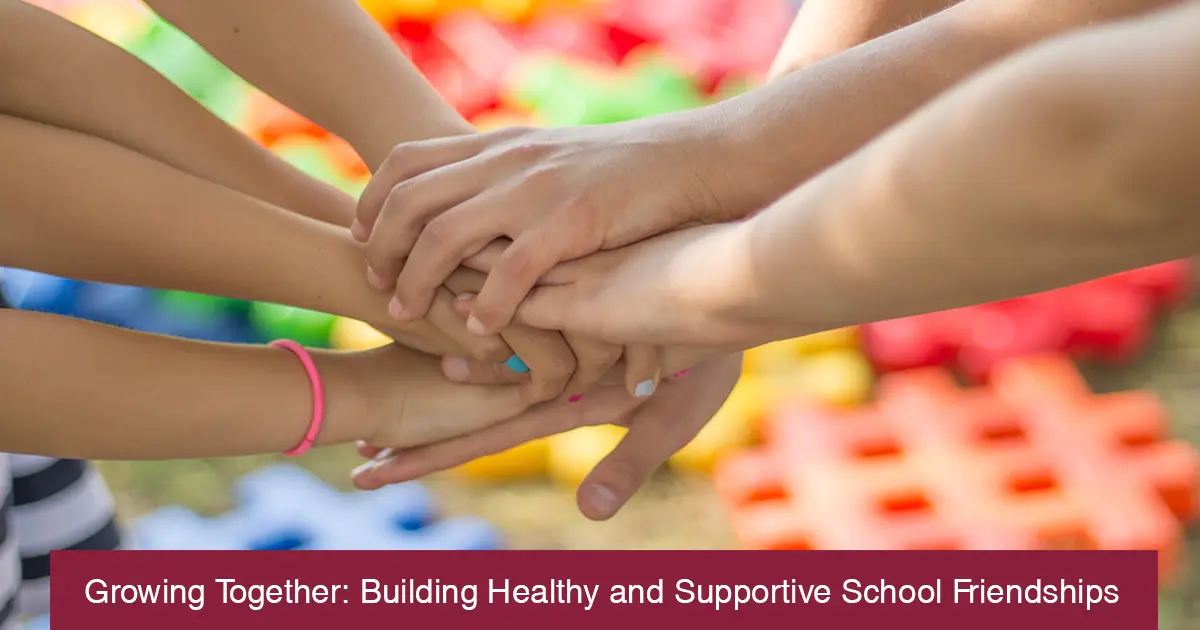
Growing Together: Building Healthy and Supportive School Friendships
23 Jan 2026
Table of Contents:
A single friendship can turn an ordinary school day into one filled with laughter, confidence, and a sense of belonging.
During the school years, friendships become more than just companionship; they shape emotions, behaviour, and personal growth in powerful ways.
True friends are a source of comfort, shared happiness and emotional support, yet they take time, trust and understanding to build.
Good friends help in improving the emotional well-being of children. They promote good behaviour, lessen stress and make daily living more enjoyable.
Above all, friends help promote belongingness to the community, which in turn enhances self-worth and confidence. This blog discusses the advantage of friendships for children.
Benefits of Friendship at School
Friendships play a significant role in every child’s life. Through friendships, children can seek emotional growth, enhance their social skills, improve academic involvement, and safeguard their mental health. Here are some benefits of friendship:
Emotional Growth
When children discuss their happiness, anger or disappointment with their friends, they learn how to understand and control their own feelings. The feelings of empathy, experiences of conflict and reconciliation teach compassion, self-control and conflict resolution; the skills that are useful in life.
Social Skill Building
School friendships act as a practical space for learning communication, patience, empathy, and cooperation. Children practice listening, taking turns, apologising when needed, and celebrating others’ achievements, all of which are essential interpersonal abilities.
Academic Engagement
The peer group can positively affect the focus and motivation of a child at school. Friends can always motivate one another to go to classes, study together, and remain active, which makes the process of learning enjoyable and effective.
Support for Mental Health
Good friends provide emotional support when a child is in need of it. It can help children feel less isolated and more emotionally secure by having a friend they can confide in. Having supportive friends can help children alleviate stress and anxiety, as well as make them feel like they belong somewhere.
Tips for Building Healthy and Supportive School Friendships
Friendships may be difficult to navigate among children because they have to learn how to share their feelings with others, avoid conflicts, and manage feelings of rejection.
Caregivers can help children build close and healthy relationships with their peers.
Here are some tips to build healthy school friendships:
Stay Connected
Frequent check-ups via brief messages, brief chats, or considerate gestures can help maintain emotional bonds. Being interested in one another makes children feel that they are well taken care of and are important.
Build Shared Routines
Familiarity is brought about by spending time together when engaging in common activities like playtime, hobbies, or shared traditions. These common experiences bond friends and give one a sense of stability.
Offer Support Consistently
Listening, comforting, or encouraging in hard times will help establish trust. Friendships become solid and dependable as a result of constant support.
Respect Change and Boundaries
The interests and needs of children change as they grow. Learning to respect personal space, embracing differences and encouraging one another to grow is a way of maintaining a healthy friendship.
Always Be Approachable and Friendly
Being friendly and having approachable body language helps children build and sustain connections. Being kind encourages others to be the same.
Be Truthful
Open communication and listening enable children to express themselves openly. Being truthful helps to avoid misunderstanding and solve problems in the most effective way.
Manage Conflicts Positively
The way children resolve conflicts may make or break a relationship. Being solution-oriented encourages understanding rather than blaming other people.
Be Patient
Great friendships do not happen in a day. Friendship develop when two people understand each other and reciprocate. Such endeavours can lead to deeper and lasting connections.
Role of Teachers & Parents in Fostering Healthy Friendships
Parents and teachers play an important role in ensuring that students become good and inclusive friends. They can foster empathy, respect, and open communication to make an environment in which all children feel valued and supported.
Here is a brief overview of the parents’ and teachers’ guide for fostering healthy friendships:
Parent Guide:
Parents can mentor children by discussing with them peer behaviour and friendship. They are also able to exchange personal experiences that emphasise kindness and loyalty. Parents can also teach them how to identify any signs of bullying, exclusion, or unhealthy friendships.
Teachers Guide:
The educators can contribute to inclusivity by engaging with students who are likely to feel isolated. They need to promote cooperation by using group activities and modelling respectful and inclusive behaviour in the classroom.
Such activities can be used to establish a favourable atmosphere in which positive friendships would flourish.
Way Forward
Healthy school friendships are the heartbeat of a positive learning environment. They turn challenges into shared victories and quiet days into cherished memories. By fostering empathy and patience today, we can help our children build strong, supportive relationships!
FAQs
Q1: How to build friendships in a classroom?
A1: To build friendships in a classroom, you should be friendly and approachable. Children can look for common interests like hobbies or subjects, and initiate conversations with open-ended questions. Lastly, children should be kind, respectful and empathetic to their peers.
Q2: How do you build a healthy friendship?
A2: Healthy friendships grow through trust, honest communication, mutual respect, and consistent support. Listening and respecting boundaries are equally important.
Q3: How to support children's friendships?
A3: Children’s friendships can be supported by guiding them in communication, conflict resolution, and empathy. Encouraging inclusivity and providing gentle support helps them form lasting bonds.
Q4: What is the role of friendships in your development during high school?
A4: Friendships support emotional well-being, boost confidence, and help develop social skills. Another crucial advantage of friendships is the sense of belonging and support they provide during both academic and personal growth.
|

 Print
Print